Custom Metalworks Partner You Can Trust

CNC Rapid Prototyping: Revolutionizing the Prototype Development Process
Discover CNC rapid prototyping solutions for precision manufacturing. Learn how CNC prototype services revolutionize product development with fast, accurate results.
8/23/20258 min read
Introduction to CNC Rapid Prototyping
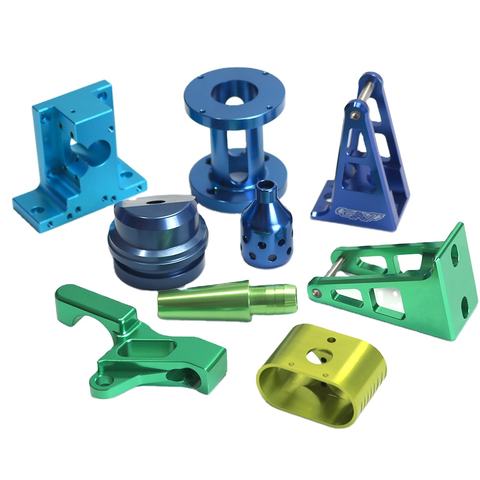
CNC rapid prototyping represents a transformative approach to product development within the manufacturing industry. At its core, CNC, or Computer Numerical Control, utilizes advanced computer systems to control the machinery that fabricates prototypes with exceptional precision. This technique has gained significance due to its ability to drastically reduce the time and costs associated with the traditional prototype development process. The rise of CNC rapid prototyping has allowed companies to create accurate models that closely resemble the final product, streamlining decision-making and enhancing overall design quality.
The importance of CNC prototypes cannot be understated; they serve as tangible representations of conceptual designs, enabling engineers and designers to identify potential issues early in the development cycle. By employing CNC technology, teams can iterate designs swiftly, benefitting from its reproducibility and accuracy. This swift iteration process is crucial given the competitive landscape of modern manufacturing, where time-to-market can significantly influence a company's success.
Historically, the evolution of CNC technology mirrors advancements in machine tools and computing. From the early days of simple automated systems to the sophisticated multi-axis machining capabilities available today, CNC has continually evolved to articulate complex designs with unparalleled precision. Many industries, including automotive, aerospace, and consumer electronics, have adopted CNC rapid prototyping to improve efficiency and reduce resource waste. Contemporary CNC machines can work with various materials, such as metals, plastics, and composites, making them versatile options for diverse applications.
In summary, CNC rapid prototyping is redefining how companies approach design and manufacturing. By enabling rapid, precise, and cost-effective prototype development, it plays a pivotal role in enhancing innovation and elevating industry standards. Understanding this technology's capabilities is essential for any stakeholder in the manufacturing domain, solidifying its integral position in modern production strategies.
The CNC Rapid Prototyping Process
CNC rapid prototyping is a streamlined procedure that transforms initial design concepts into physical prototypes with unmatched precision and efficiency. The process begins with the creation of a digital model, typically using computer-aided design (CAD) software. This modeling phase is crucial, as it allows designers to visualize the component and make necessary adjustments before actual manufacturing begins. CAD software enables the simulation of various aspects, such as dimensions and other specifications, ensuring that the design meets functional and aesthetic requirements.
Once the 3D model is finalized, the next step involves selecting suitable materials. The choice of material greatly influences the characteristics and quality of the prototype. Common materials used in CNC rapid prototyping include plastics, metals, and composites, each offering distinct advantages. For instance, plastics are often chosen for lighter prototypes, while metals may be preferred for durability and strength. The careful selection of materials not only affects the prototype's performance but also its cost, making it a vital aspect of the process.
Following material selection, the CNC machining phase begins. Advanced CNC machinery is employed to translate the digital model into a physical product. This equipment operates using cutting tools that remove material based on the specifications defined in the CAD model. The precision of CNC machines ensures that prototypes are created with close tolerances that reflect the original design accurately. This level of accuracy is critical in fields where functionality is paramount, such as in aerospace, automotive, and medical applications.
The entire CNC rapid prototyping process culminates in the final prototype, which emerges from a combination of meticulous design, material science, and innovative machining techniques. Each step of this process not only enhances the efficiency of prototype development but also underscores the importance of precision machining in producing high-quality CNC prototypes. By optimizing each phase, companies are better equipped to bring their products to market rapidly while maintaining the highest standards of quality.
Benefits of CNC Rapid Prototyping
CNC rapid prototyping has transformed the way businesses approach product development, offering several notable advantages that streamline the prototype process. One of the most significant benefits is the reduction in lead times. Traditional prototyping methods often involve lengthy and complex procedures, which can delay product launches. In contrast, CNC machines can produce intricate designs swiftly, allowing companies to bring their products to market faster than ever before.
Accuracy is another key advantage of CNC rapid prototyping. CNC technology leverages computer-aided design (CAD) and computer numerical control (CNC) systems to ensure precise dimensions and specifications. This level of accuracy minimizes errors that can occur during manual fabrication. In fact, studies have demonstrated that CNC prototypes often exceed the dimensional tolerances required in final products, leading to a higher likelihood of initial designs being successful upon first iteration.
Cost-effectiveness is a further compelling benefit. Although the initial investment in CNC machines can be significant, the long-term savings are undeniable. By reducing the number of materials wasted and minimizing the need for iterating through multiple versions of a prototype, CNC rapid prototyping can ultimately lower overall production costs. This efficiency not only benefits manufacturers but also allows businesses to allocate resources toward innovation and development rather than extensive prototyping.
Additionally, CNC rapid prototyping offers a greater scope for customization. The flexibility of CNC technology enables manufacturers to adapt prototypes based on specific client needs, preferences, or market demands quickly. This adaptability is increasingly vital in today's fast-paced environment, where consumer expectations are continuously evolving. Numerous businesses have seen substantial competitive advantages from these benefits, allowing them to not only keep pace but also innovate within their respective markets effectively.
Applications of CNC Prototypes in Various Industries
CNC rapid prototyping has emerged as a significant driver of innovation across a multitude of industries. Its applications are particularly evident in sectors such as automotive, aerospace, healthcare, and consumer products, where the need for precision and efficiency is paramount. This technology enables companies to streamline their prototype development processes, thus reducing time to market and enhancing product quality.
In the automotive industry, for example, manufacturers utilize CNC prototypes to create intricate design models of components such as engine parts and dashboard layouts. By leveraging rapid prototyping, automotive firms can quickly test and refine their designs, leading to more efficient production processes and improved performance of the final product. Moreover, CNC machining allows for the production of complex geometries that are vital in modern automotive design.
Similarly, the aerospace sector employs CNC prototypes to construct lightweight parts that require stringent safety standards. The ability to produce high-accuracy prototypes enables aerospace engineers to evaluate aerodynamics and structural integrity early in the design phase. Companies like Boeing and Airbus have successfully integrated CNC rapid prototyping to refine their designs, ultimately leading to safer and more efficient aircraft.
Healthcare also benefits significantly from CNC rapid prototyping, particularly in the development of medical devices and implants. Customization is critical in this field, and CNC technology provides an avenue for producing tailored solutions that meet individual patient needs. For instance, orthopedic implants can be rapidly prototyped to match the unique anatomy of a patient, enhancing surgical outcomes and patient satisfaction.
Lastly, consumer products industries leverage CNC prototypes for creating everything from electronic housings to household appliances. This clear distinction allows companies to quickly gather consumer feedback and iterate on designs, ensuring that products are market-ready before full-scale production commences.
Overall, CNC rapid prototyping plays a pivotal role in various industries, enabling them to meet specific demands while fostering innovation and efficiency in their manufacturing processes.
Cost-Effectiveness of CNC Rapid Prototyping
CNC rapid prototyping presents a compelling case for cost-effectiveness in prototype development, enabling manufacturers to achieve significant savings over time. The initial investment in CNC machinery and software can be substantial; however, when evaluating long-term benefits, the advantages begin to surface. By streamlining the prototyping process, CNC technology reduces the time and resources required to develop and test prototypes, which translates into reduced labor costs and a quicker return on investment (ROI).
One of the key aspects contributing to the cost-effectiveness of CNC rapid prototyping is the reduction in design revisits. Traditional prototyping methods often involve multiple iterations to achieve the desired design, leading to increased costs due to reworking and material waste. With CNC machining, however, precise computer-generated models enable manufacturers to produce accurate prototypes quickly. This precision reduces the likelihood of manufacturing errors and allows for more reliable testing phases, which ultimately minimizes the need for costly revisions.
Furthermore, the ability to produce multiple prototypes in a short time frame can lead to a reduction in lead times, which is vital for maintaining a competitive edge in fast-paced industries. In large-scale manufacturing, CNC rapid prototyping can significantly lower production costs by optimizing the workflow and minimizing downtime. For small manufacturers, the flexibility and adaptability provided by CNC technology are invaluable, allowing for experimentation with designs without the burden of high expenses typically associated with traditional methods.
In essence, the implementation of CNC rapid prototyping fosters an efficient process that supports manufacturers in maintaining quality while reducing costs. By carefully weighing the initial investment against long-term savings from minimized errors and expedited production, both small and large businesses can experience a favorable ROI, making CNC rapid prototyping a wise choice for modern manufacturing needs.
Choosing the Right CNC Prototyping Services
When seeking CNC rapid prototyping services, selecting the right provider is crucial to achieving successful outcomes in product development. Businesses should first consider the provider's experience in the industry. A company with extensive knowledge in CNC machining and rapid prototyping will be better equipped to handle various challenges that may arise during the prototyping process. An established provider typically possesses a portfolio demonstrating a history of successful projects and a diverse range of prototypes, which can serve as a valuable indicator of their capabilities.
Another key factor is the technology capabilities of the CNC prototyping services being considered. Manufacturers should ensure that the provider utilizes advanced CNC machines and software that allow for precise and efficient fabrication of prototypes. Cutting-edge technology not only enhances accuracy but also helps in reducing production time, ultimately leading to faster time-to-market for new products. It is advisable to inquire about the specific techniques employed by the provider, such as additive manufacturing or multi-axis machining, as these can significantly impact the quality of prototype outputs.
Customer support is equally important when evaluating CNC rapid prototyping services. A reliable provider should offer comprehensive support throughout the development process, from design consultation to final production. This includes open communication channels, responsiveness to inquiries, and being receptive to feedback throughout the project. The ability to adapt to a client’s specific needs and provide regular updates can enhance the overall experience and ensure alignment in expectations and outcomes. Additionally, businesses should assess the provider’s adherence to precision machining standards, as this directly affects the quality and functionality of the prototypes produced.
Ultimately, ensuring a good match between the chosen service provider and the specific needs of a prototype development project will facilitate a more efficient and effective prototyping process, leading to better results and successful product launches.
Future Trends in CNC Rapid Prototyping
The landscape of CNC rapid prototyping is continuously evolving, with several emerging trends likely to transform the prototype development process. One significant trend is automation, which is set to enhance efficiency and precision in production. Automation in CNC machining enables manufacturers to execute complex designs with minimal human intervention, thus reducing errors and increasing throughput. As automation technology advances, the capability to swiftly generate prototypes tailored to specific design criteria will only improve, positioning CNC rapid prototyping as a critical component in modern manufacturing.
Another notable trend is the integration of artificial intelligence (AI) within the design and fabrication processes. AI can aid in optimizing design parameters, predicting machining outcomes, and automating repetitive tasks. By leveraging machine learning algorithms, manufacturers can analyze vast datasets to derive insights that improve production methods. This integration paves the way for intelligent design solutions that can adapt in real-time, further streamlining the prototype development process.
Additionally, the advancement in materials used for CNC machining is noteworthy. Traditionally, materials such as aluminum and plastics dominated the realm of CNC prototyping; however, there is a growing interest in bio-based materials, composites, and even metals that possess unique properties. These innovative materials allow for the creation of prototypes that exhibit enhanced durability, lightweight characteristics, or environmentally friendly options. As manufacturers experiment with these new materials, CNC rapid prototyping is poised to accommodate a broader range of applications.
As we look towards the future, these trends—automation, AI integration, and advanced material usage—are expected to profoundly impact prototype development. Manufacturers will need to adapt to these innovations to remain competitive and harness the full potential of CNC rapid prototyping.